The Two-Way Gate (4th Easter A)
A sermon by the Rev. Guillermo A. Arboleda, written for and delivered at the Lutheran Church of the Ascesnion, Savannah, GA, on Sunday, April 26, 2026, the 4th Sunday of Easter (Year A).

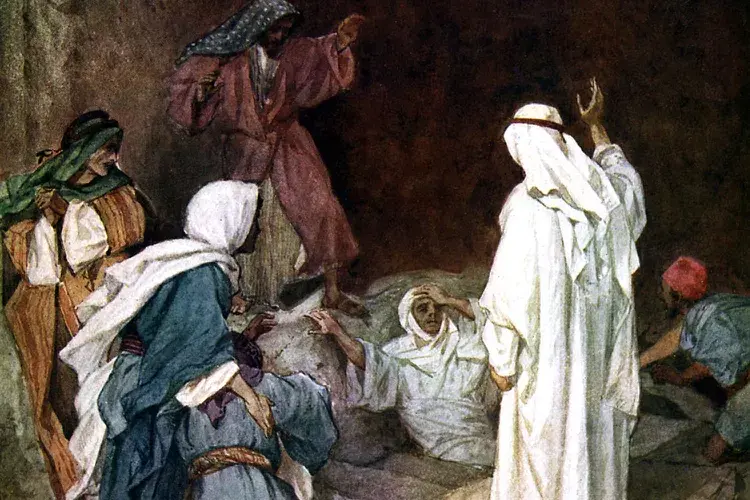
Image Credits: https://www.journeywithjesus.net/essays/2626-i-am-the-gate
Primary Bible Reading(s)
John 10:1-10 (NRSVue)
“Very truly, I tell you, anyone who does not enter the sheepfold by the gate but climbs in by another way is a thief and a bandit. 2 The one who enters by the gate is the shepherd of the sheep. 3 The gatekeeper opens the gate for him, and the sheep hear his voice. He calls his own sheep by name and leads them out. 4 When he has brought out all his own, he goes ahead of them, and the sheep follow him because they know his voice. 5 They will not follow a stranger, but they will run from him because they do not know the voice of strangers.” 6 Jesus used this figure of speech with them, but they did not understand what he was saying to them. 7 So again Jesus said to them, “Very truly, I tell you, I am the gate for the sheep. 8 All who came before me[a] are thieves and bandits, but the sheep did not listen to them. 9 I am the gate. Whoever enters by me will be saved and will come in and go out and find pasture. 10 The thief comes only to steal and kill and destroy. I came that they may have life and have it abundantly.
The Two-Way Gate
By the Rev. Guillermo A. Arboleda, Program Manager for New Starts, ELCA
What is your favorite name for Jesus? Jesus calls himself many things throughout the New Testament: savior, Lord, friend, helper, shepherd, light, way, truth, and life. But perhaps the oddest, and least inspiring image Jesus gives us is the one we heard today. “I am the gate” (John 10:7, 9)
Jesus is a gate? A door? An inanimate object to be pushed and pulled by any passerby? Is that how we really imagine Jesus? I have never seen an icon or stained glass window of a gate with a halo over it. I don’t know any popular hymns about Jesus, our heavenly gate.
Nevertheless, this image is here for a reason. It is important for us to understand what Jesus means when he says, “I am the gate.” It is helpful for us to pay attention to what else Jesus has to say about this.
John 10:9-10 reads, “I am the gate. Whoever enters by me will be saved, and will come in and go out and find pasture. The thief comes only to steal and kill and destroy. I came that they may have life, and have it abundantly.”
We might think that this gate metaphor simply reiterates that Jesus is the only way to salvation. He is the one who lets people into heaven. That’s true, but it’s not all that is going on here. What I find interesting about this text is that the Jesus-Gate is not a one-way path. We don’t go in through the Gate and just stay there. We don’t simply huddle together and celebrate how great we are for being saved, for being on the inside. The Gate allows us inside the fence of safety, and in these bounds we “will be saved.” If Jesus only offered us protection, then maybe he would have said, “I am the fence” or “I am the wall.”
But instead, Jesus says that he is the gate. Whoever enters by him will also “go out and find pasture.” The Gate has two-way traffic. We come in and go out. This seems like a different vision of church than we typically encounter. The Church is not simply a place of refuge and retreat. We don’t gather in church only to be saved and taken care of. Jesus invites us into the fold of protection and healing, but then he calls us out of the gate! He says, let’s go find a pasture. Let’s go find other sheep who need to come to the gate.
Because Jesus is a two-way gate, we have to leave the sheep pen behind and “go out.” Jesus leads us outside of the gate in order to eat and be nourished. The outside is not inherently a place of suffering and punishment. Yes, there are thieves and bandits who want to steal and kill and destroy. We can encounter evil outside the gate. But Jesus thinks that the risk is worth it. Jesus wants us to pass through the gate in both directions.
Outside the gate is a good place too. It serves a different purpose than the inside. Jesus invites us to live as his sheep in both places. Inside the gate, we find refuge from the dangers of the world. Outside the gate, we love and serve the world. By doing both, we discover abundant life. Our spiritual lives cannot be healthy if we only stay inside the gate. If we neglect to “go out and find pasture,” we are only half-abundant. We need both movements, in and out of the Gate of Jesus, in order to live the abundant life that Jesus offers us. We are restored inside and fed outside.
In other words, discipleship is not static. It must be dynamic and active. We are constantly moving in and out of the Jesus-Gate. This movement is the center of the Christian life.
We come in through the Jesus-Gate to participate in the life of the parish church. When we’re here, our principal task is renewal in the love of God in Christ by the power of the Holy Spirit. The Holy Spirit of God dwells in us and calls us to greater love and knowledge of God. Like the Christians in Acts, we who are baptized devote ourselves “to the apostles' teaching and fellowship, to the breaking of bread and the prayers” (Acts 2:42).
Our worship is designed to draw us near to the heart of God through the tried and true methods of reading the Scriptures and sharing the sacraments. In baptism we are joined to Christ and drawn into the fellowship of the Trinity. In Communion, we are nourished by Jesus, the Vine and source of life and peace. The congregation provides resources for finding that renewal in your daily life, apart from Sundays. That’s why there are Bible studies, prayer meetings, children’s ministries, and more.
But then, we must go out of the Gate. I know some of you work or volunteer here a lot, but nobody is here all the time. We all must leave the four walls of this church building. We pass through the Jesus-Gate, but we never leave Jesus behind. Jesus calls us to continue serving him outside of church, outside of the safety and comfort of the sheep pen.
This call to “go out and find pasture” is a call to love and serve the world. It’s about paying attention to the needs and wants of the creatures around us. We look for opportunities to be Christ to other people, to live and share that amazing love that God has for us. It is about testifying, sharing our experiences of God’s love with other people through words and actions. We have the opportunity to share the Good News that Jesus gives abundant life, refuge and salvation from evil.
I work for the ELCA churchwide organization on the new ministry development and evangelism team. I have the privilege of supporting communities all over the country that are experimenting with new ways to share the Good News of Jesus. But honestly, most of the ways aren’t new. It’s back to basics Christian ministry: a kid-friendly midweek dinner church service in rural Iowa; providing food, showers, laundry, and worship for unhoused people in North Carolina; offering social services and pastoral care to new immigrants in Oklahoma; getting to know neighbors from other ethnic groups and providing worship in their language in more places than I can count. These are just some examples of the ways that Lutherans around the US are trying to follow Jesus outside the Gate and share God’s abundant life.
Jesus is a two-way Gate. He wants you to come in and be saved, but also to go out and find your calling in the world. As we continue our worship and prepare to leave through the door, take a few moments -- perhaps a few moments each day -- to reflect. How is Jesus renewing you inside the Gate? How is Jesus sending you outside the Gate? Amen.


Comments